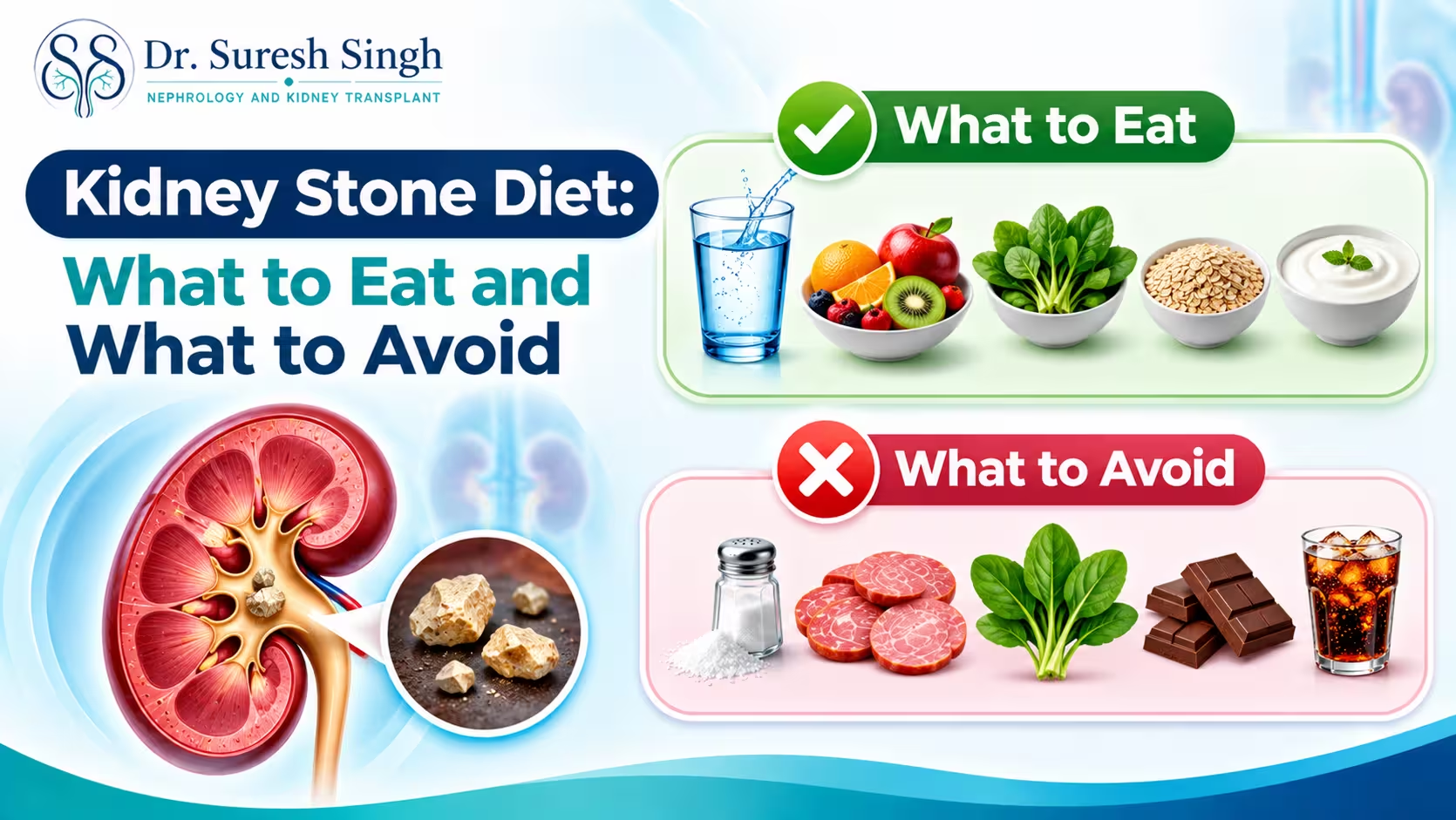
A kidney stone diet focuses on steady hydration, normal dietary calcium paired with meals, and lower intake of sodium, animal protein, and high-oxalate foods—tailored to your specific stone type. Drinking enough fluids to dilute urine is the single most important daily habit unless a doctor restricts your fluids.
Why Does Food Matter When You Have Kidney Stones?
Kidney stones are formed when certain wastes and minerals in the urine become too concentrated and start crystallizing. These hardened crystals then continue to grow and may obstruct the flow of urine through the kidneys.
Various dietary factors can affect the concentration of waste in urine. For example, too much salt in the diet can cause elevated levels of calcium in the urine. High levels of animal protein can increase uric acid and reduce citrate in the urine. Low citrate levels can increase the risk of crystal formation.
Inadequate water intake can also increase the concentration of wastes in the urine, increasing the risk of stones.
Taking into account the type of kidney stone a person has, along with blood and urine test results, dietary modifications can be more effectively implemented to minimize the risk of stone formation.
What to Eat to Prevent Kidney Stones
There is no special food that can dissolve every kidney stone. But some food choices can help maintain a healthier balance in urine and lower the chance of new stones forming.
1. Drink Enough Water Throughout the Day
Water is an essential part of any kidney stone prevention plan, as it helps to dilute the urine so that the mineral build-up in the form of crystals is not facilitated.
Individuals suffering from kidney stones are generally recommended to drink adequate fluids to ensure production of about 2.5 liters of urine daily. This usually involves drinking about 8–12 glasses of fluid every day, which may increase depending on weather conditions.
A few practical habits can help:
-
Drink water at regular intervals instead of waiting until you feel thirsty.
-
Carry a water bottle when travelling or working outdoors.
-
Drink extra fluids after sweating heavily, unless a doctor has advised a fluid restriction.
-
Check urine colour. Pale yellow urine usually suggests better hydration than dark yellow urine.
Water should be the main drink. People with kidney failure, heart problems or a medical fluid restriction should follow their doctor's advice rather than increasing water intake on their own.
2. Include Citrus Fruits in Your Diet
Lemons, limes, and oranges contain citrate. Citrate binds with calcium in urine and prevents crystal growth of certain stones.
Patients may include citrus fruits in their regular diet. Adding lemon to water is an easy method of increasing daily citrate intake.
However, lemon water has not been found to break down kidney stones and may not be an effective treatment for existing kidney stones.
If the bottle states it is a kidney stone treatment or prevention, it is best to read the label and ingredients to ensure large amounts of added sugar are not present. Large amounts of fruit juice are poor substitutes for water.
3. Get Enough Calcium From Food
This might come as a shock to you because most people believe that calcium-containing food leads to the formation of calcium stones. However, not consuming any calcium can actually help calcium oxalate stones form more easily.
The calcium from foods combines with the oxalate in the gut and helps reduce the oxalate that gets into the bloodstream.
Suitable food sources include:
-
Milk
-
Plain curd
-
Yoghurt
-
Paneer in suitable portions
-
Calcium-fortified foods, if recommended
For many adults, the usual dietary calcium target is around 1,000–1,200 mg per day. The exact amount should be discussed with a doctor or dietitian.
Try to have calcium-rich foods with meals, particularly meals that contain oxalate-rich ingredients. Do not start calcium supplements without medical advice.
4. Eat Fruits and Vegetables Regularly
Fruits and vegetables provide fibre, vitamins, and other nutrients. They also supply natural citrate and other substances that may help maintain a healthier urine balance.
Some options that can fit into a kidney stone diet include:
-
Apples
-
Grapes
-
Watermelon
-
Cucumber
-
Cabbage
-
Cauliflower
-
Green beans
-
Citrus fruits
The right choices may differ if a person also has kidney disease or high potassium levels. In that case, food selection should be based on blood test results.
5. Choose Plant-Based Protein More Often
Protein plays an important role in muscle strength and body functioning. However, the problem arises with excessive consumption of animal protein, especially when a person is susceptible to some kinds of kidney stones.
An excess of meat, poultry, and fish can elevate the level of uric acid and may lower the level of citrate.
You can replace some meat-based meals with:
-
Moong dal
-
Masoor dal
-
Lentils
-
Beans
-
Peas
-
Tofu
These foods provide plant-based protein. Portion sizes still matter, especially for people who have been advised to limit oxalate or potassium.
Foods to Avoid or Limit With Kidney Stones
Some foods can increase the amount of stone-forming substances in urine. The foods that need attention depend on the type of stone, but a few common dietary habits are worth changing.
1. High-Salt Foods
Increased salt intake can increase the loss of calcium through urine. This can elevate the risk of formation of calcium-based stones.
Things to cut back on:
-
Pickles and salted chutneys
-
Papad
-
Namkeens and potato chips
-
Instant noodles
-
Processed and packaged meals
-
Salted biscuits
-
Fast food and restaurants
-
Packaged sauces and mixes
A simple way to reduce your salt intake is to not add extra salt to your food while cooking and also check the sodium content of the food you eat. Many people don’t realise how much salt they are consuming because it is present in various processed and packaged foods.
2. Foods High in Oxalate
Oxalate is a natural substance found in many plant foods. It is not harmful for everyone, but people who form calcium oxalate stones and have high urine oxalate may need to limit certain foods.
Some examples include:
-
Spinach
-
Beetroot and beet greens
-
Swiss chard
-
Peanuts
-
Almonds and other nuts
-
Chocolate
-
Sweet potatoes
-
Rhubarb
-
Wheat bran
This does not mean every person with a kidney stone must stop eating these foods. The need to restrict them depends on the stone type and urine test results.
One helpful step is to eat calcium-containing food with meals that include oxalate. This can reduce the amount of oxalate absorbed by the body.
3. Too Much Red Meat and Animal Protein
Large amounts of animal protein can increase uric acid in urine. They may also lower citrate, which normally helps prevent stone formation.
Try to avoid making meat the main part of every meal. Limit frequent large portions of:
-
Mutton
-
Beef
-
Pork
-
Chicken
-
Fish and seafood
-
Organ meats such as liver
People with uric acid stones may need to pay particular attention to red meat, organ meats and certain seafood. Protein should not be removed completely. The body still needs it, and the right amount depends on health and nutritional needs.
4. Sugary Drinks and Cola
Frequent consumption of sugary drinks increases the risk of weight gain, metabolic problems, and kidney stone formation.
Cola drinks also contain phosphoric acid. Avoid regular consumption of soft drinks.
Water should be the primary choice of beverage. Unsweetened lemon water is also a good choice if it does not conflict with the person’s dietary restrictions.
5. Too Much Vitamin C From Supplements
The body requires vitamin C, but taking too much vitamin C without having any clinical indication may cause an elevation in oxalate formation in some individuals.
It can be a matter of worry for those who tend to develop calcium oxalate stones. Refrain from taking too many vitamin C tablets or powder without seeking advice from a doctor.
It is always better to take vitamin C from natural food sources.
Does the Kidney Stone Type Change the Diet?
Yes. This is one of the most important things to understand before making major food changes.
A stone's appearance alone may not tell its exact type. Doctors may recommend stone analysis or urine tests to understand what caused it.
|
Stone type |
Foods and habits to watch |
What may help |
|
Calcium oxalate |
Too much spinach, beetroot, nuts, chocolate and salt |
Have normal calcium-rich foods with meals and limit high-oxalate foods if advised |
|
Calcium phosphate |
Excess salt and foods that may affect urine mineral levels |
Reduce salt and follow dietary advice based on urine test results |
|
Uric acid |
Large portions of red meat, organ meat and some seafood |
Reduce excess animal protein and follow the doctor's advice |
|
Cystine |
Low fluid intake |
Drink enough water as advised and follow the prescribed treatment |
A person with repeated kidney stones may need a 24-hour urine test. It checks the amount of different substances passing through urine and helps the doctor suggest more specific dietary changes.
Can You Follow a Normal Indian Diet With Kidney Stones?
Yes. A person with kidney stones can usually continue eating regular home-cooked food. The focus should be on portions, cooking methods, and food combinations.
Here are some everyday meal ideas:
|
Meal |
Food options |
|
Breakfast |
Idli, poha, vegetable upma, or homemade dosa |
|
Mid-morning |
Apple, grapes or another suitable seasonal fruit |
|
Lunch |
Roti or rice with dal, cooked vegetables, and plain curd |
|
Evening snack |
Homemade snack with less salt or a suitable fruit |
|
Dinner |
Roti or rice with cooked vegetables and an appropriate protein source |
This is a general example, not a fixed diet chart. Someone with high oxalate, high potassium, diabetes, or another health condition may need different food choices.
Does Diet Help Remove an Existing Kidney Stone?
Diet is mainly used to reduce the chance of stones forming again. It does not reliably remove a stone that is already present.
It will depend on the size and position of the stone and whether it is blocking the passage of urine. Stones can be passed naturally, while others require medical attention.
Do not wait to see a physician due to dietary changes. Pain, fever accompanied by shivering, vomiting, and inability to urinate are some of the signs that need immediate attention.
Expert Kidney Stone Care With Dr. Suresh Singh
If you are experiencing kidney stone symptoms or have a history of recurrent stones, consulting an experienced kidney specialist can help identify the underlying cause and guide appropriate care. Dr. Suresh Singh, a nephrologist in Lucknow, provides evaluation and management of kidney-related conditions. A personalised assessment can help determine suitable dietary changes, investigations and further treatment based on your kidney health.
Related Articles
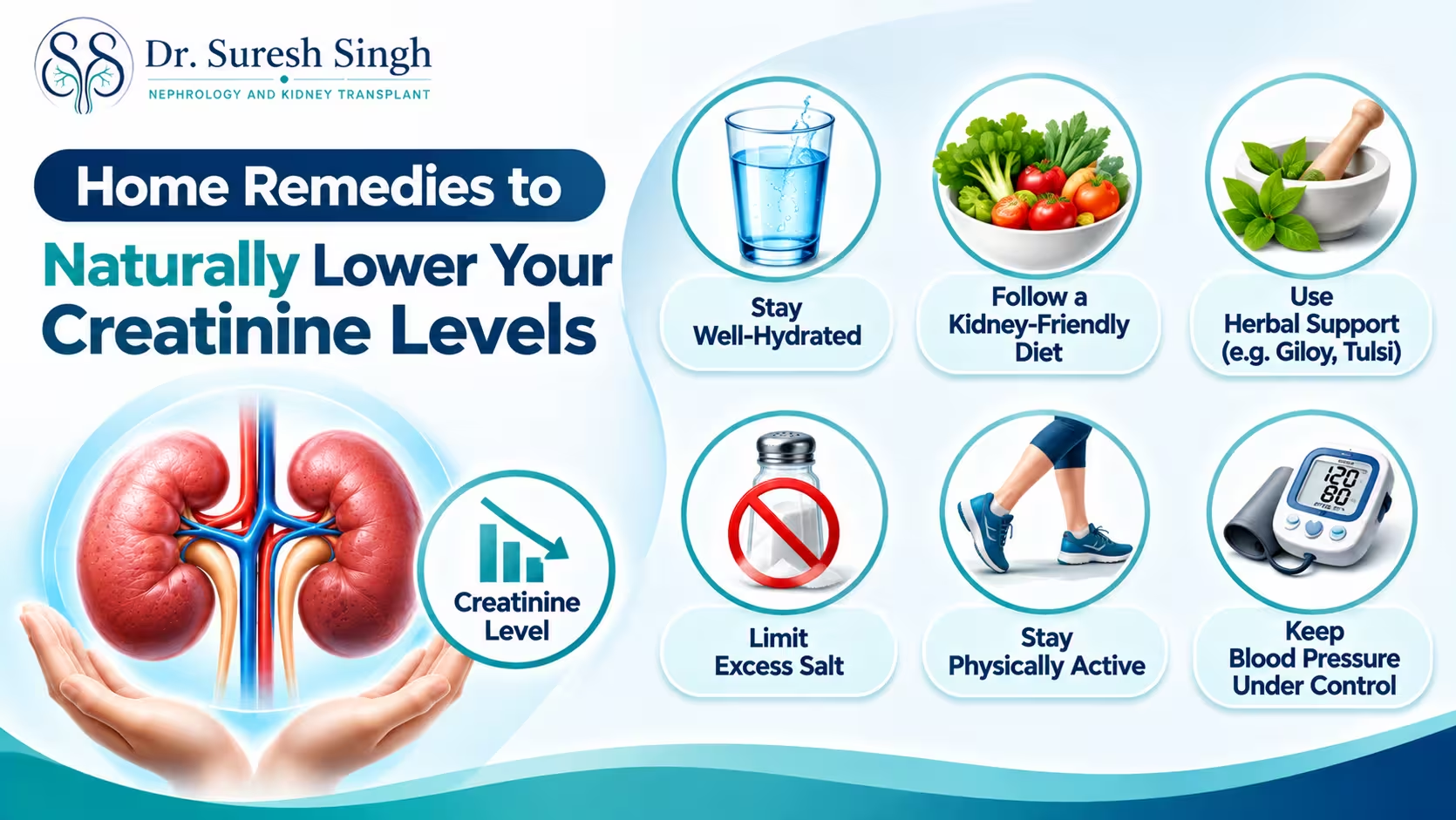
- Home Remedies to Naturally Lower Your Creatinine Levels
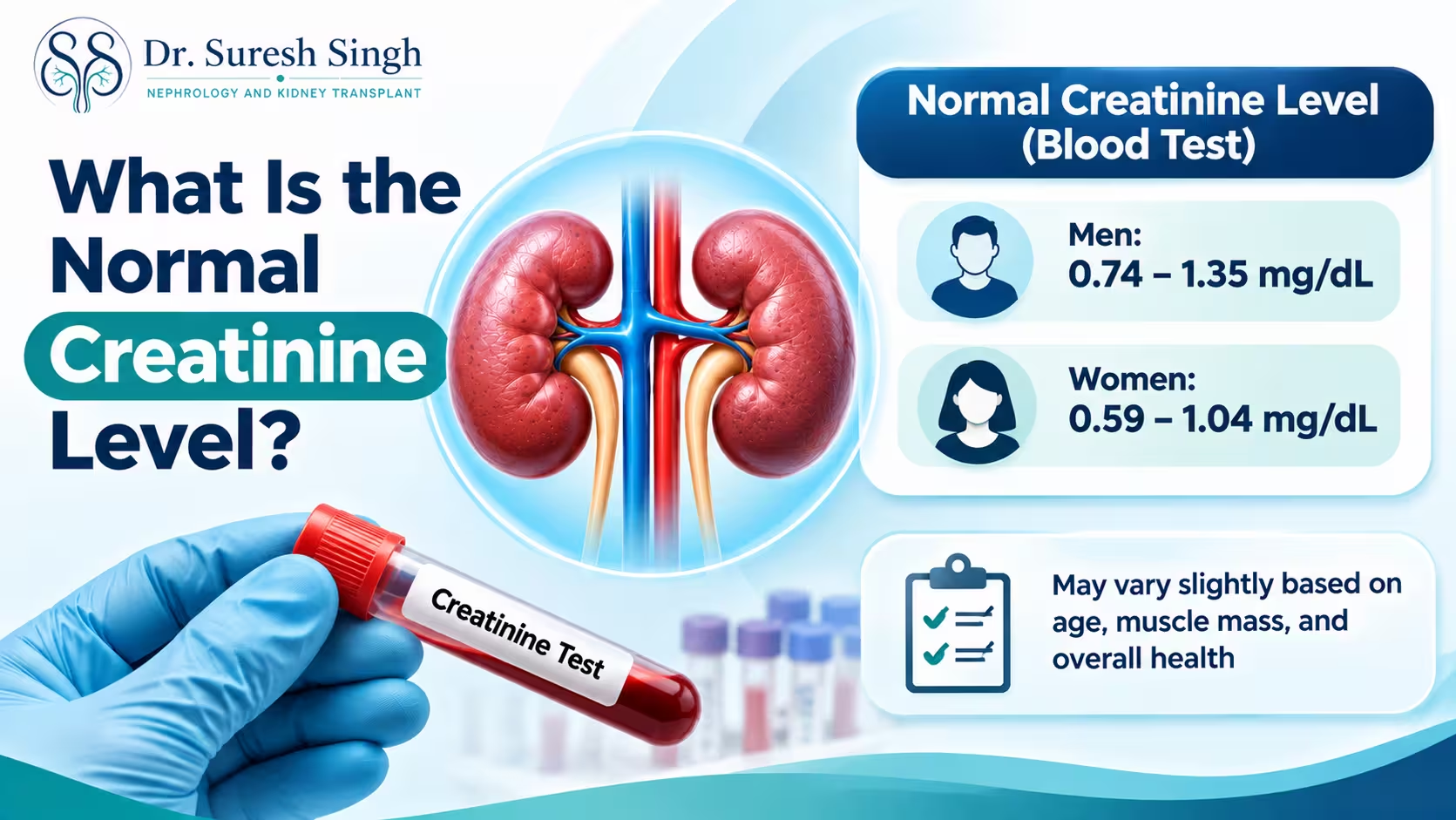
- What Is the Normal Creatinine Level?
- Kidney Failure: Symptoms, Causes, Stages and Treatment
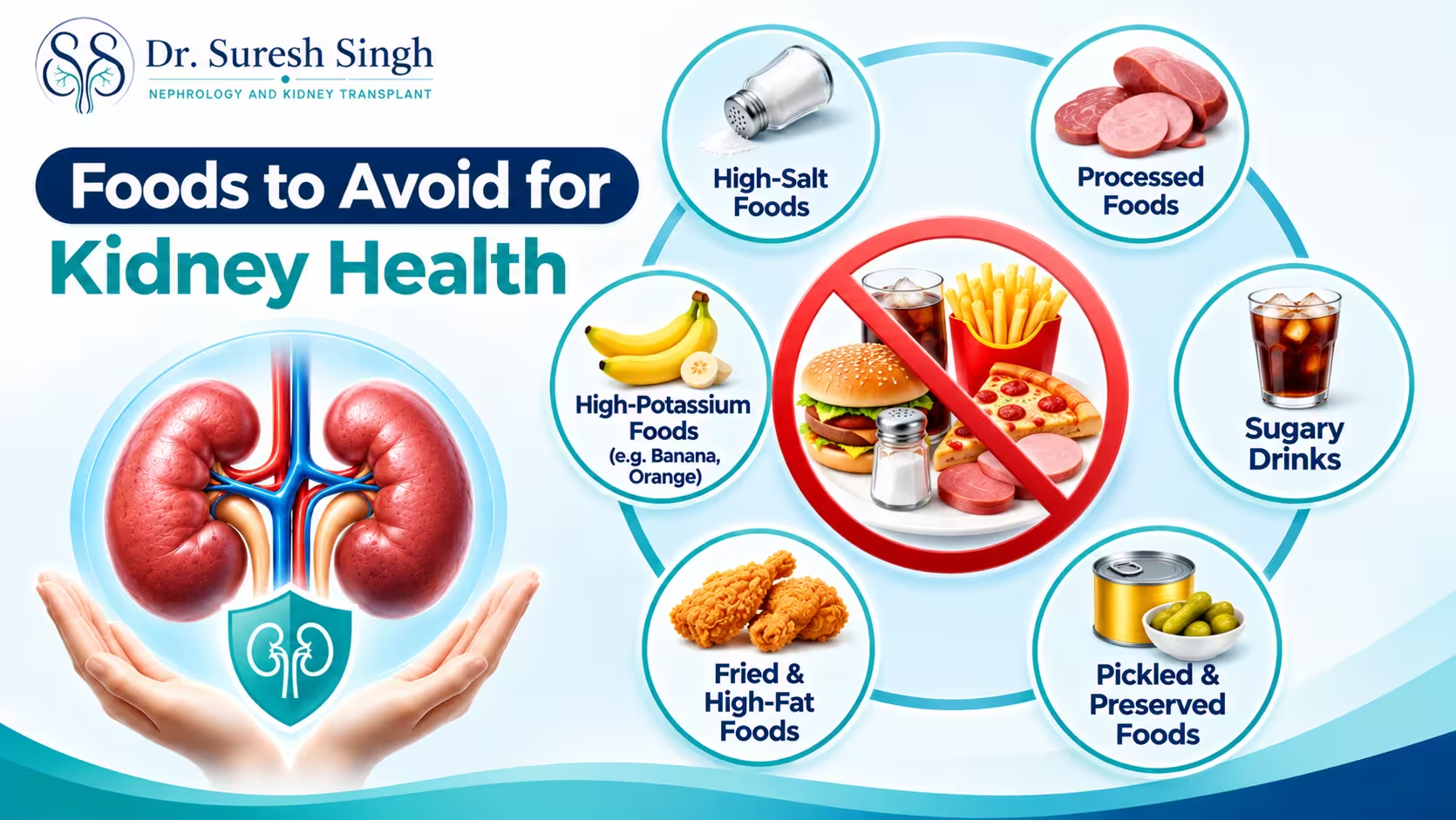
- Foods to Avoid for Kidney Health
Conclusion
The kidney stones diet does not involve staying away from all foods containing calcium, proteins, and oxalates. This kind of diet requires balance. Adequate intake of water, reduction of unnecessary salt in the diet, normal amount of dietary calcium with meals, and selection of appropriate sources of protein will decrease the risk of formation of another stone.
A more effective way of following the proper diet is by making a plan based on the composition of the stone and urine analysis. Such a diet should be determined by a nephrologist or a nutritionist.
Frequently Asked Questions
1. Can a person with kidney stones drink milk?
Yes. The majority of people can consume milk. Milk contains calcium, which can reduce oxalate absorption. Don’t eliminate milk or other calcium-containing foods unless your doctor recommends it.
2. Is it safe to eat tomatoes with kidney stones?
The majority of people do not need to eliminate tomatoes. The level of oxalate in a serving is probably not problematic. Those with specific test results may need to modify their diet.
3. Is it good to use coconut water to treat kidney stones?
There is not enough evidence to suggest that coconut water has any effect on kidney stones. It may not be a good choice to use regularly for people with reduced kidney function or high blood potassium.
4. Is it true that lemon water prevents kidney stones?
Since lemons contain citrate, they may help prevent kidney stones. However, lemon water will not dissolve existing kidney stones.
5. Should people with kidney stones avoid spinach and nuts?
Not everyone should avoid these foods. People with calcium oxalate kidney stones may need to limit their intake of spinach and nuts. The same is also true of other high oxalate-containing foods.